
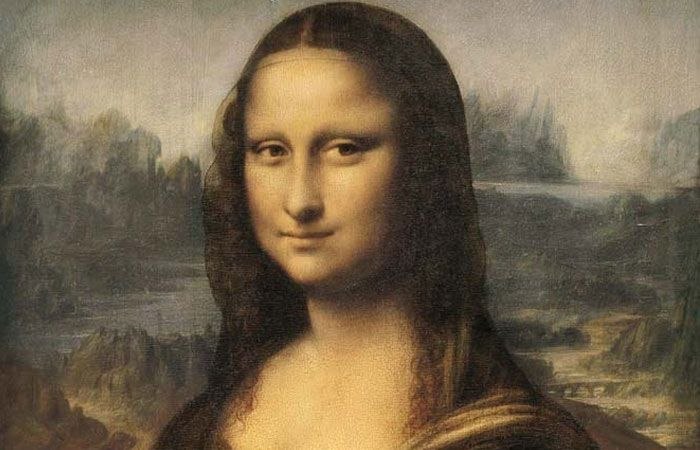
Mona Lisa Or The Mona Lisa's smile It is one of the most renowned paintings in the history of art; a work that, centuries after its creation, still captivates millions with its face, smile, and painting technique.
This masterpiece by Leonardo da Vinci and the image of a woman named Lisa GherardiniIt depicts Francesco del Ciondo's wife. The name «La Gioconda» is also derived from his wife's surname. Today, this work is housed in the Louvre Museum in Paris.
But what has made this painting so famous? The colors, the lighting, the facial expressions, and Da Vinci's unique technique all play a role in its appeal.
In this article from Kamran CompanyIn addition to familiarizing ourselves with the story of the Mona Lisa, we will take a look at the colors and pigments that can be used to recreate this work in a modern painting.
Mona Lisa; Leonardo da Vinci's masterpiece
Mona Lisa in the early sixteenth century by Leonardo da Vinci was created. The Louvre Museum's information places the date of this work's execution in the approximate range of 1503 to 1519 Provides.
This painting is a portrait of Lisa Gherardini, who is set against a distant landscape and looks at the viewer with a calm gaze.
One of the most important features of the work is the famous Mona Lisa smile; a smile that is executed very delicately and, because of the way light and shadow are combined, creates a different feeling for the viewer.
Louvre Museum Technique Blurred, shaded, or smudged He considers one of the important features of this work. In this method, changes between light and shadow are introduced very gradually, and distinct boundaries between the various parts of the face are less apparent.
What is the Mona Lisa painted on?
An interesting fact about this work is that the Mona Lisa was originally on The canvas is unpainted..
Da Vinci created this work in oil paint on a Poplar wood panel has been executed. The painting itself measures approximately 79.4 by 53.4 centimeters.
Of course, nowadays artists typically use ready-made canvases to recreate classical works. A canvas can provide a suitable substrate for oil paintings and allow the painter to employ various techniques.
For this reason, if we were to paint a modern version of the Mona Lisa, choosing a suitable canvas would be one of the first steps.
What colors should we use to paint the Mona Lisa?
To recreate the color palette of the Mona Lisa, we need a set of warm, earthy, and dark colors.
In this sample project, we use the following colors:
1. Titanium White
White is one of the primary foundations for creating various skin tones and adding brightness to different areas of a painting.
By combining white with warm colors, you can create a variety of shades for the face.
2. Ochre Yellow
Ochre yellow One of the suitable colors for creating warm, natural tones on the face and in the background.
This color can create a variety of shades when combined with white, brown, and a small amount of red.
3. Red oxide
To create skin warmth and produce certain red and brown tones, one can use Red oxide used.
A very small amount of this color, when combined with white and ochre, can create suitable shades for different parts of the face.
4. Burnt Brown
Burnt umber is widely used for creating shadows, hair, clothing, and parts of the background.
This color can also be used to create darker skin tones and add depth to the image.
5. Black
Black is used to create the deepest shadows and enhance the image's contrast.
Of course, in portrait painting it's best to use black with care, and in many areas, instead of applying black directly, use a blend of dark colors.
6. Olive Green
To implement the natural environment and background of the Mona Lisa, one can use Olive green used.
Combining this color with brown, ochre, and white can create more natural hues for the landscape.
7. Warm Gray
Warm gray is used to control the intensity of colors and to create a smooth transition between different parts of the image.
This is especially important in portrait painting; our goal isn't to create sharp lines and abrupt transitions, but rather to make the transition between light and shadow as smooth as possible.
The canvas used for the recreation of the Mona Lisa
To implement this sample project, use a Ready-made canvas, 70 × 50 centimeters We use it.
The proper canvas should have a smooth, ready surface for applying paint so that the painter can apply the various layers of color with greater control.
At Kamran Company, selecting the right canvas along with high-quality paint can help artists execute the final result of their work with greater precision.
List of colors and canvases used in this project
To make selecting raw materials easier for you, we have provided the materials used in this sample in the table below:
| Product | Type | Application |
|---|---|---|
| Titanium White | Oil paint | Light and skin tone composition |
| Ochre yellow | Oil paint | Warm tones and skin |
| Red oxide | Oil paint | The warmth of the face |
| Burnt coffee | Oil paint | Shadow, hair, and background |
| Black | Oil paint | Deep Shadows |
| Olive green | Oil paint | Scene and Background |
| Warm gray | Oil paint | Tone and Shade Control |
| Canvas 70×50 | Painting on wood | Painting support |
You can get all of these products from Kamran Company.
What is the sfumato technique in the Mona Lisa?
One of the most captivating aspects of the Mona Lisa is the way the face is rendered.
Da Vinci used the technique of Blurred, shaded, or smudged He has used a technique in which the boundary between light and shadow becomes very soft.
Instead of using sharply defined lines to delineate the shape of the nose, lips, or cheeks, color and brightness changes occur gradually.
The Louvre explains that Leonardo da Vinci used extremely thin layers of oil-paint glaze to create this effect, thereby producing very soft transitions between light and shadow.
This very technique is one of the reasons the Mona Lisa's face has taken on a natural, lifelike expression.
If we were to paint the Mona Lisa today
Reimagining a classic work does not mean simply copying it.
An artist can interpret the original work on canvas by examining its composition, colors, light, and technique.
For example, you can use the same warm, earthy palettes, but by changing the canvas size, the color composition, or even the background, you can create a new, personal piece.
The most important point is that to achieve the desired result, the quality of the raw materials also matters.
A paint that blends well and a ground that provides a suitable surface for application can make the painting process easier for the artist.
Get the paint and canvas from Kamran Company.
If you are also interested in portrait painting, recreating classic works, or creating your own original art, you can get the paint and canvas you need from Kamran Company Prepare.
From the colors used to create skin tones to those suitable for backgrounds and painting canvases, selecting the right materials is the first step in starting an art project.
Select the products you need and start your next painting on a new canvas.
View Kamran Company's products
[View store and buy paint and canvas]
Frequently Asked Questions
Who is the author of the Mona Lisa?
Mona Lisa by Leonardo da Vinci and depicts Lisa Gherardini, the wife of Francesco del Giocondo.
Is the Mona Lisa painted on canvas?
No. The main effect on Poplar wood panel It is painted with oil paint.
What colors are needed to recreate the Mona Lisa?
Colors such as titanium white, ochre yellow, oxide red, burnt umber, black, olive green, and warm gray can be used to create similar palettes and execute a modern reinterpretation.
What is the sfumato technique?
Sfumato is a technique in which the boundary between light and shadow is rendered very soft and gradual. This technique is one of the most prominent features of Leonardo da Vinci's paintings, including the Mona Lisa.
Where can we get the paint and canvas needed for the painting?
You can get the colors and canvas you need from Kamran Company Prepare.
Summary
Mona Lisa is not just a famous portrait; this work is an example of composition. Color, light, shadow, technique, and artistic precision is.
Leonardo da Vinci, using the sfumato technique and delicate layers of oil paint, was able to create a face with very soft transitions between light and shadow—a technique that still inspires many painters today.
If you also want to start a portrait, a landscape, or a reimagining of a classic work, choosing the right colors and canvas can be the first step.
Kamran Company; partners with artists to create new works.
Views